

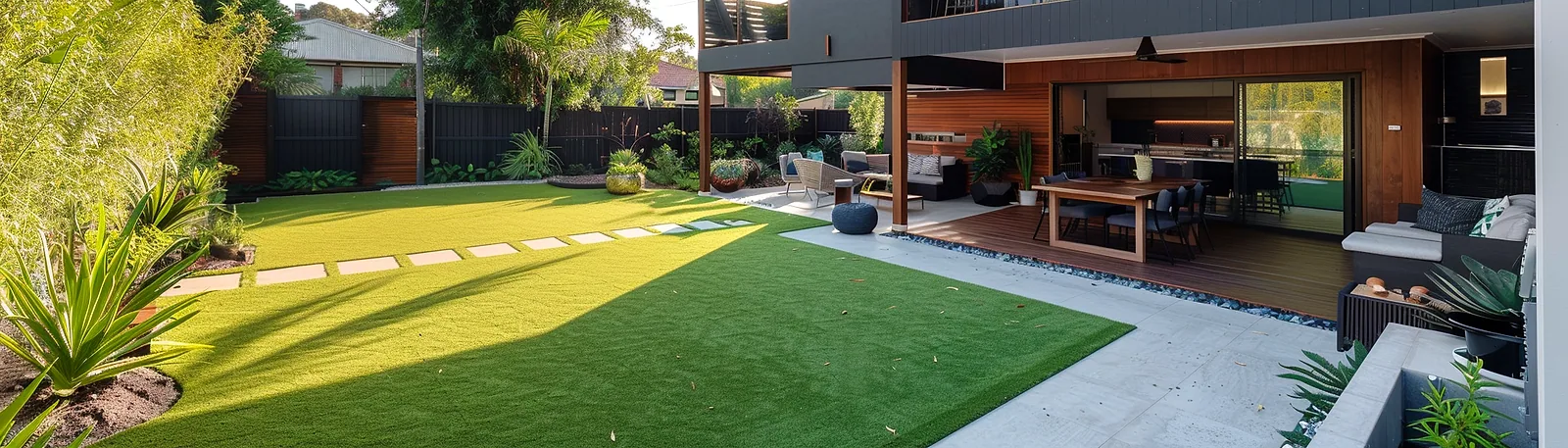
A finished artificial lawn changes the view from your back door. Keeping that space welcoming means knowing what to do when leaves collect, pets use the yard or a favourite walking route starts to look flattened. The routine can be straightforward, but it should suit the lawn you actually have.
Start with your own care instructions
Keep the product name, installation paperwork and care guide together. If you inherited an artificial lawn when you bought your home, ask whether the previous owner can identify it. A generic online tip is a starting point for a question, rather than permission to use any tool or cleaner.
Manufacturer TigerTurf describes artificial grass as lower maintenance, rather than maintenance-free. Its guidance is useful background here, but it does not establish the care requirements for every ASL product. Follow the instructions supplied for your particular lawn, including any warranty conditions.
Clear the surface before brushing
Take a look around the lawn after windy weather, especially beside garden beds and under trees. TigerTurf recommends removing fallen leaves and loose debris with suitable tools, while avoiding disturbance of the sand infill where that is part of the surface. Ask your installer which rake, broom or blower setting suits your lawn.
Make this an easy habit by keeping the approved tool somewhere accessible. Look at the whole area, including narrow strips along paving and behind outdoor furniture, rather than only the patch you see from the house.
Give busy areas gentle attention
Once debris is removed, TigerTurf advises gentle brushing with a medium-soft bristle brush against the direction of the fibres. Confirm that method is suitable for your product before trying it. If a patch keeps looking flattened, take a photograph and ask for advice rather than increasing the pressure.
Leave the household vacuum inside unless your manufacturer specifically approves its use. TigerTurf warns that vacuuming its lawns can remove sand infill. A tool that collects loose material is not necessarily suitable for the complete turf system.
Make pet care part of the routine
Remove solid pet waste promptly and follow your lawn’s instructions for rinsing affected areas. TigerTurf’s residential maintenance guidance recommends prompt waste removal and rinsing, and checking for damage where pets scratch at edges. Regular pet use deserves its own cleaning plan.
Ask which cleaning products are compatible with the exact turf and installation. If odour persists, explain how often pets use the space and what you have already tried. That gives your installer more useful information than simply asking for a stronger cleaner.
Know when to ask for help
If an edge lifts, a join opens or water starts collecting in a new place, photograph the change and contact your installer. Avoid covering the problem with extra material or attempting a repair before you know what is needed. Keep the date and the location of the issue with your photos.
For a new ASL artificial lawn, include care questions in the handover: which tools to use, how to manage pet areas, and who to contact about a concern. A few clear answers are easier to follow than a cupboard full of cleaning products.
Make it your own
A little local advice goes a long way.
Talk through your space with our Canberra team.
Explore artificial lawn for your home